Male Facial Hair: Men can find false beards/mustaches to recreate facial hair; they can also use a stipple sponge with a cream, followed by powder and spray, to create beard stubble, or to recreate the look of hair on their fingers.
Other Considerations:
1. Use alcohol to clean a stainless-steel palette knife and palette.
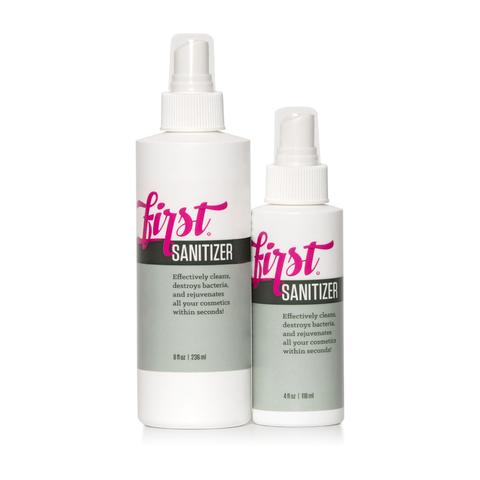
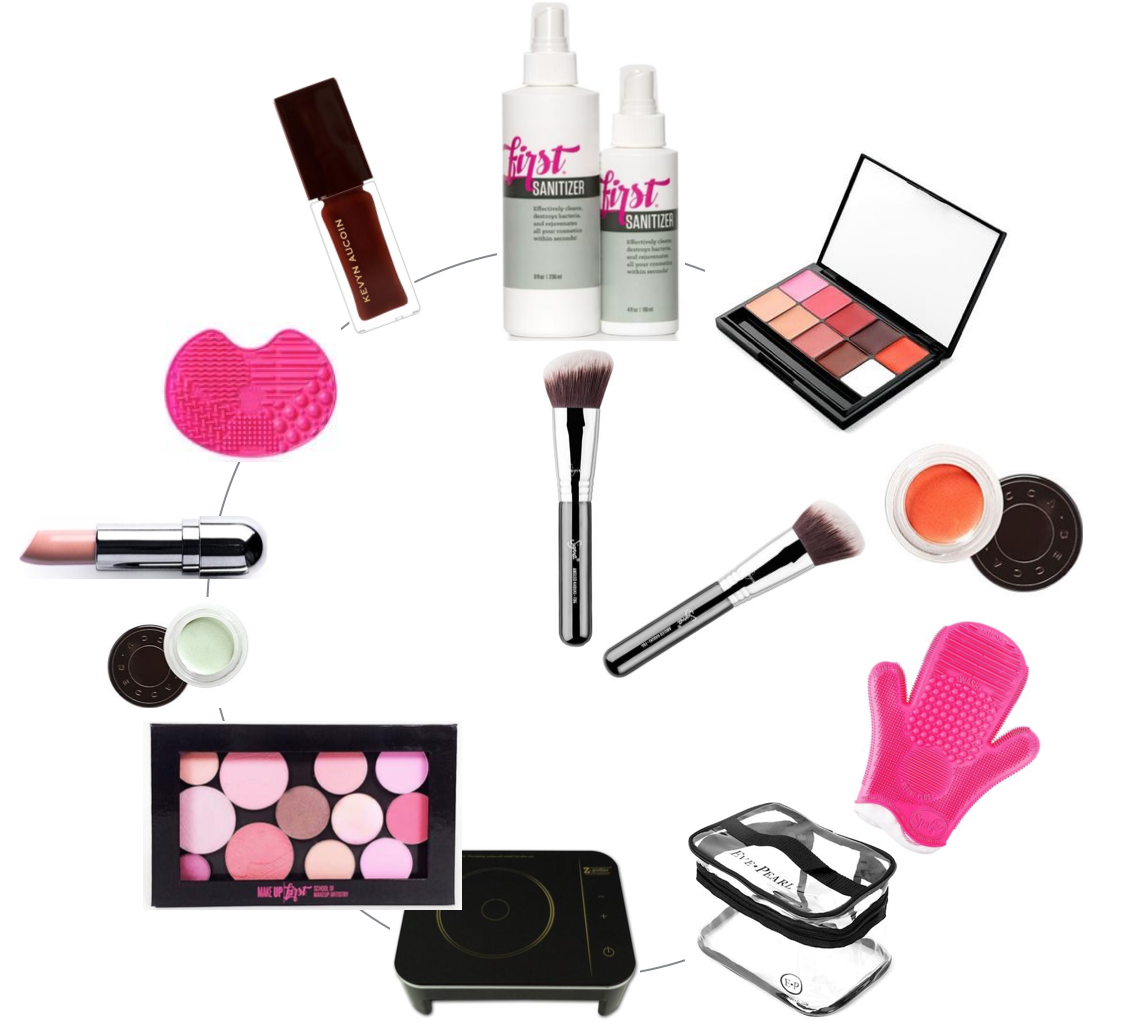
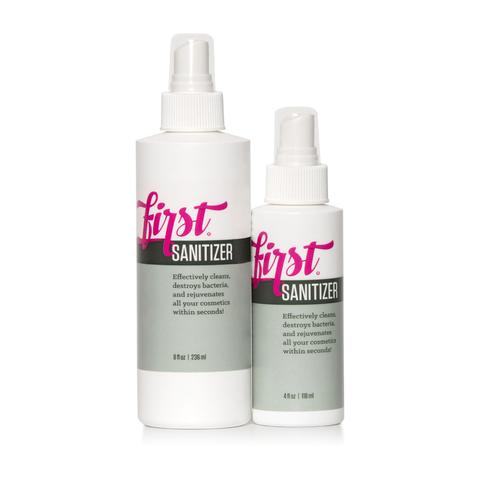
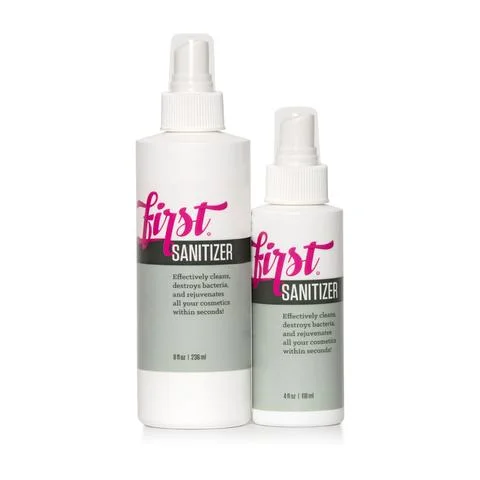
2. Before using any products, be sure to spray products with a sanitizing spray, such as FIRST Sanitizer.
3.Prep the skin by cleaning and moisturizing according to skin type.
4. Use a silicone based primer.
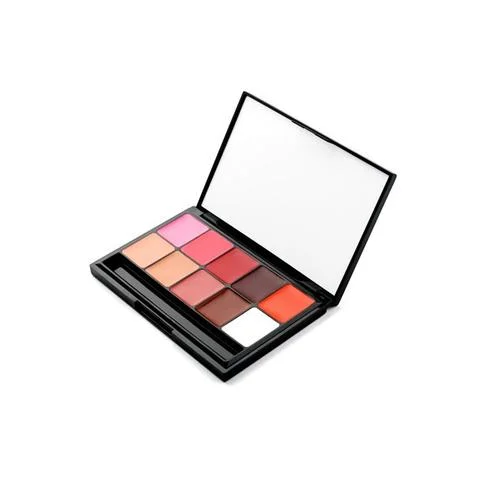
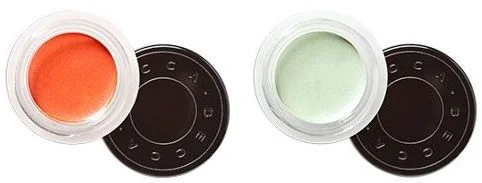
5. Using the stainless-steel palette knife and palette, select a color that will match the undertone of the skin, then set that color aside. If the color cannot be found, two colors may need to be mixed. Next, select another cream color or colors, if necessary, to color correct or diffuse the discoloration.
6. Apply the camouflage cream, using a soft, latex-free sponge. Starting in the middle of the area and blend out the edges; make sure to apply the cream that matches the undertone both over and around the scar.
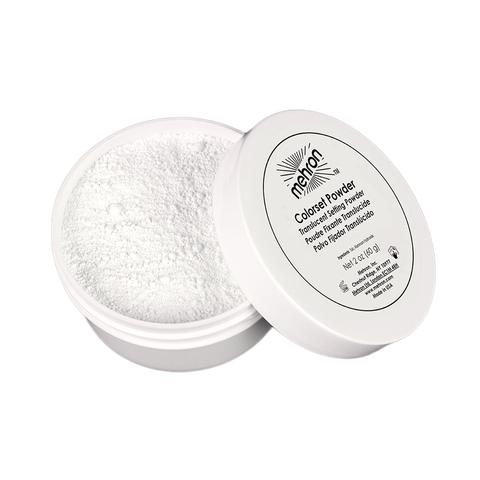
7. Liberal use of the powder, either clear translucent or with some pigment, is necessary – brush away excess and then add more camouflage cream; repeat the entire process two or three times.
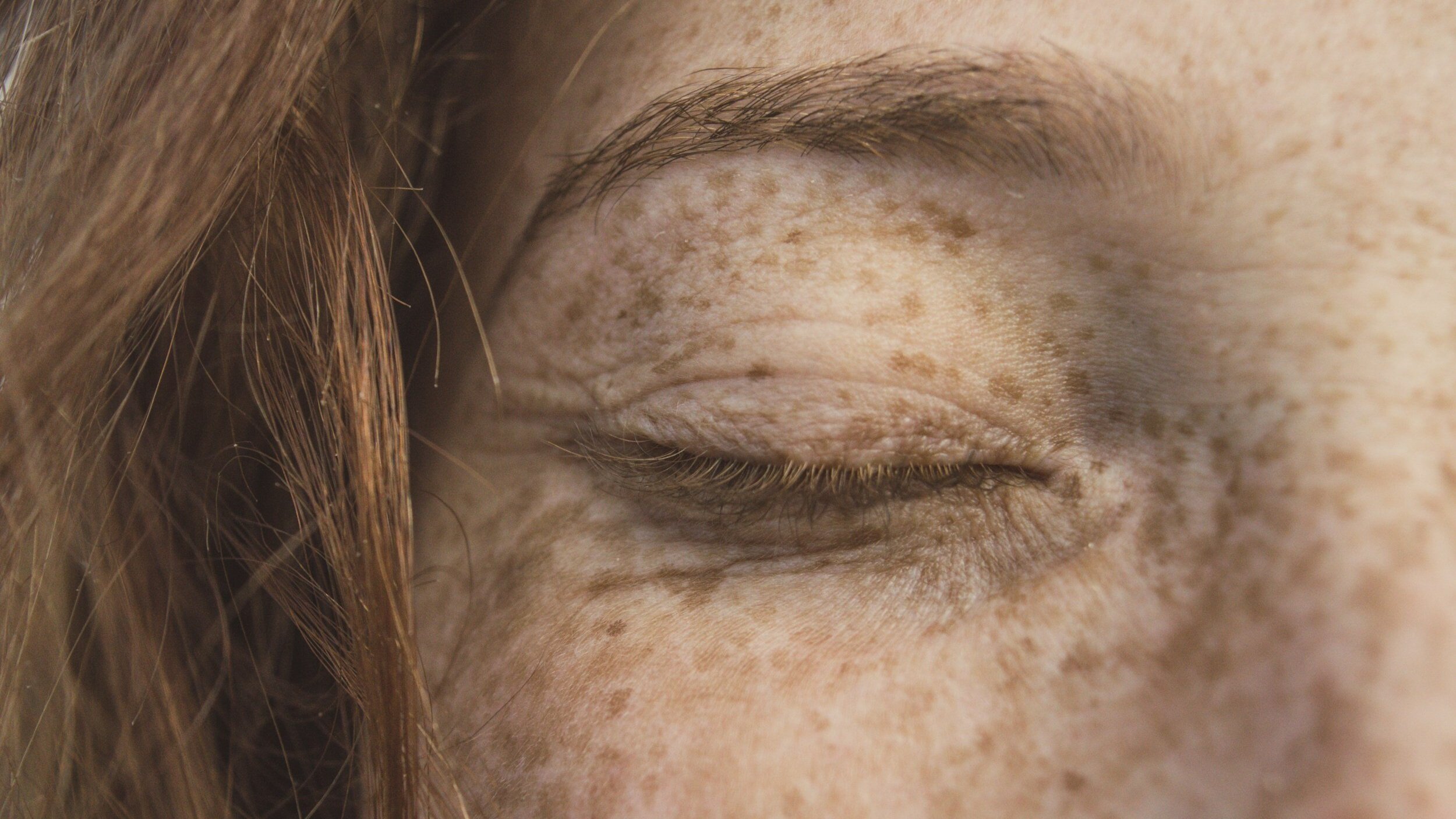
8. To achieve a more natural look, “moles”, “freckles”, or hair follicles can be painted on the camouflaged area with either a brush or stipple sponge.
9. To bring “life” back to the camouflaged skin, apply a sheer spray of ionized water.
10. If the hands or neck is the area to be camouflaged, and must be waterproofed, apply a sheer spray of an alcohol-based spray, except in the cases where the skin is grafted.
11. For pitted scarring on small areas, a topical silicone product, such as Dermaflage, may be used.
12. Avoid the use of blush over the camouflaged area. The blush will bring back the color that the artist/client was trying to camouflage.
13. If the client is willing and able, airbrush makeup is a quick and effective way to camouflage skin discolorations and tattoos.
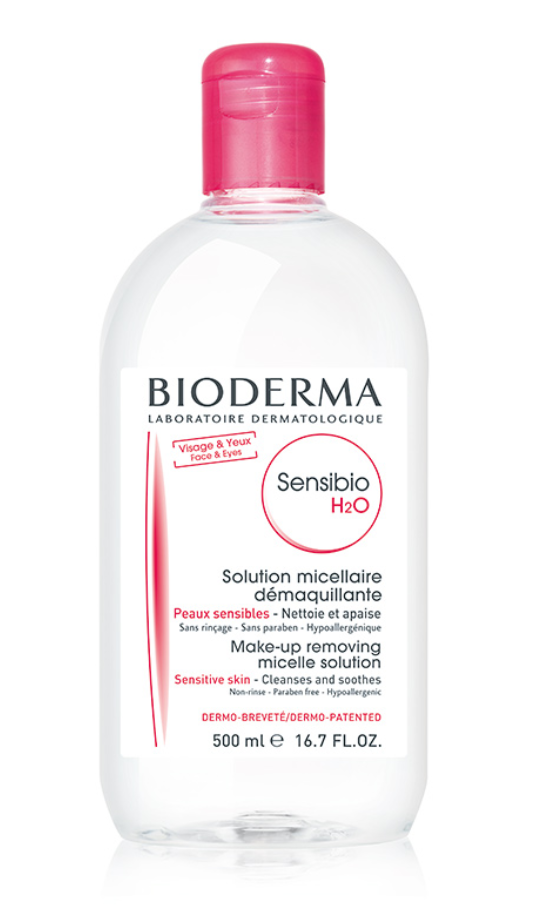
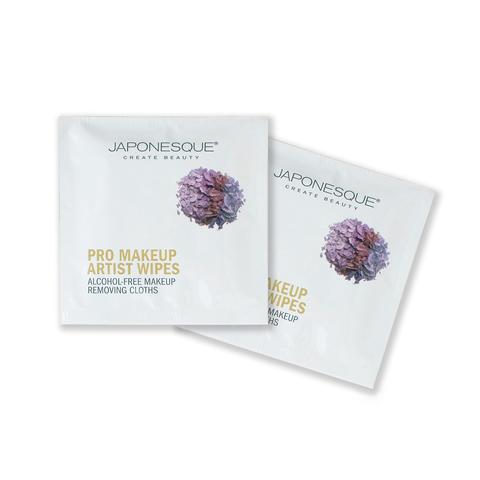
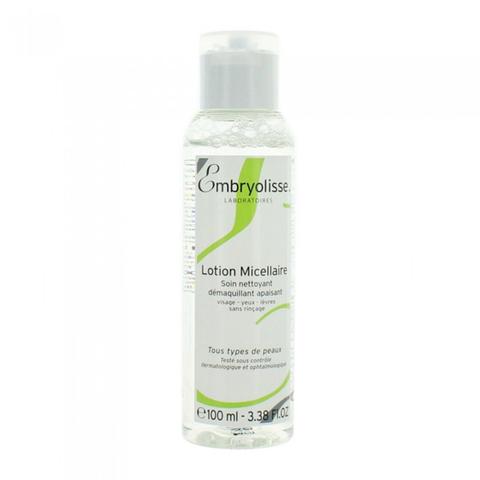
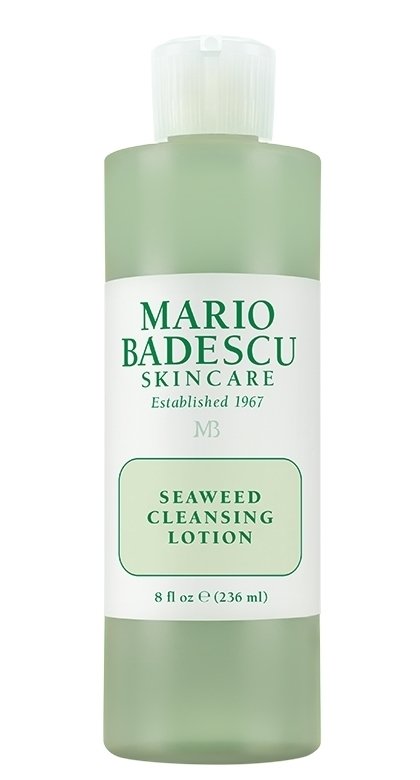
Product Removal: Apply a liberal amount of cleansing cream (Cerave, or Cetaphil are inexpensive options) on the entire area. Wipe off the makeup/cleansing cream with a non-irritating moistened cotton square or non-scented baby wipe. For the eyes and lips, a gentle makeup remover, such as a micellar water is recommended.
Sources:
- Clinical Cosmetology: A Medical Approach to Esthetics Procedures, Victoria Rayner (1993)
- Milady Standard Makeup, Michelle D’Allaird (2003)
This writing is created for and owned by Make Up First, LLC, and cannot be copied or otherwise duplicated without express written consent of the owner.



























































Monday, March 25, 2024
6:00 p.m. – 8:00 p.m.
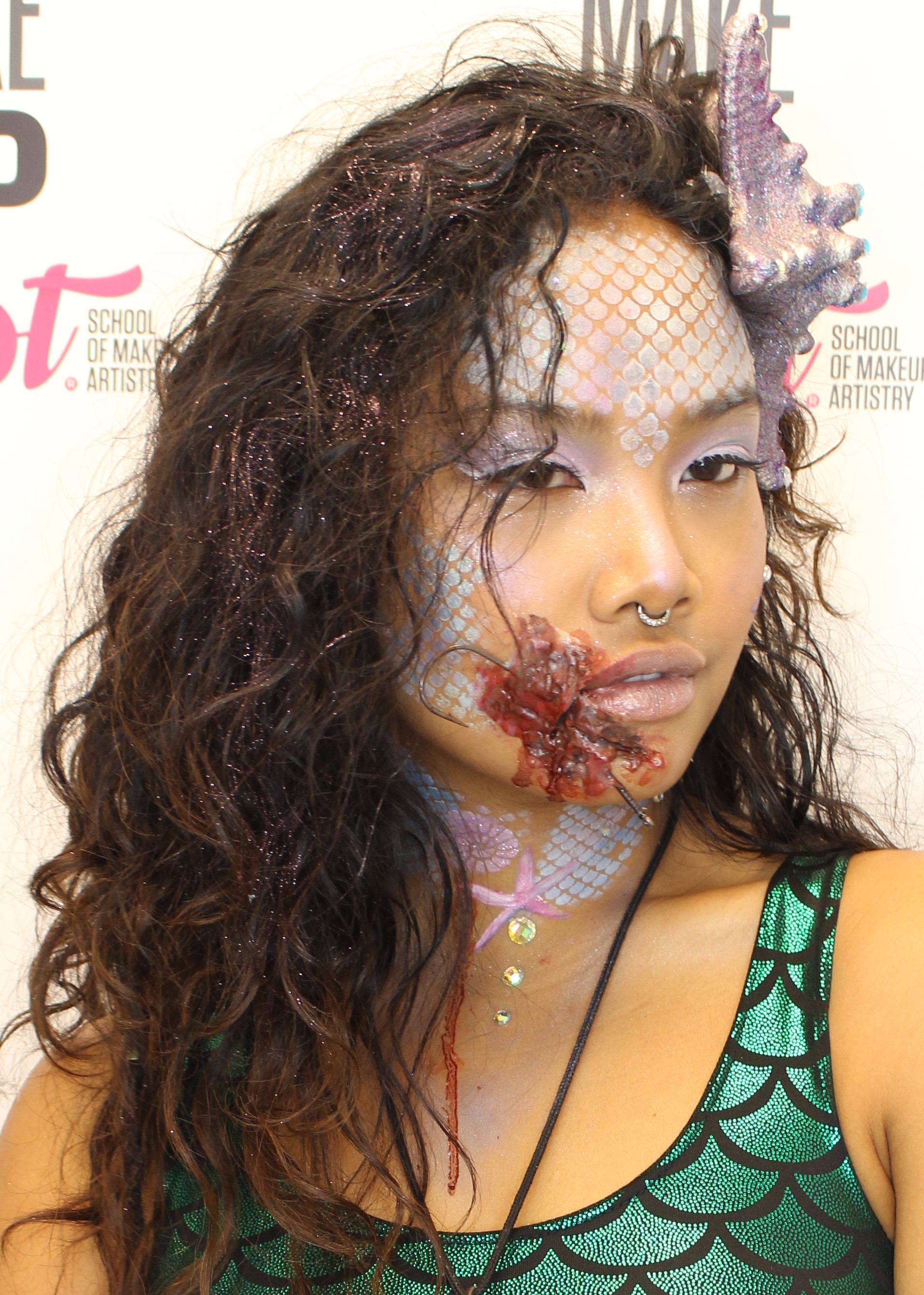
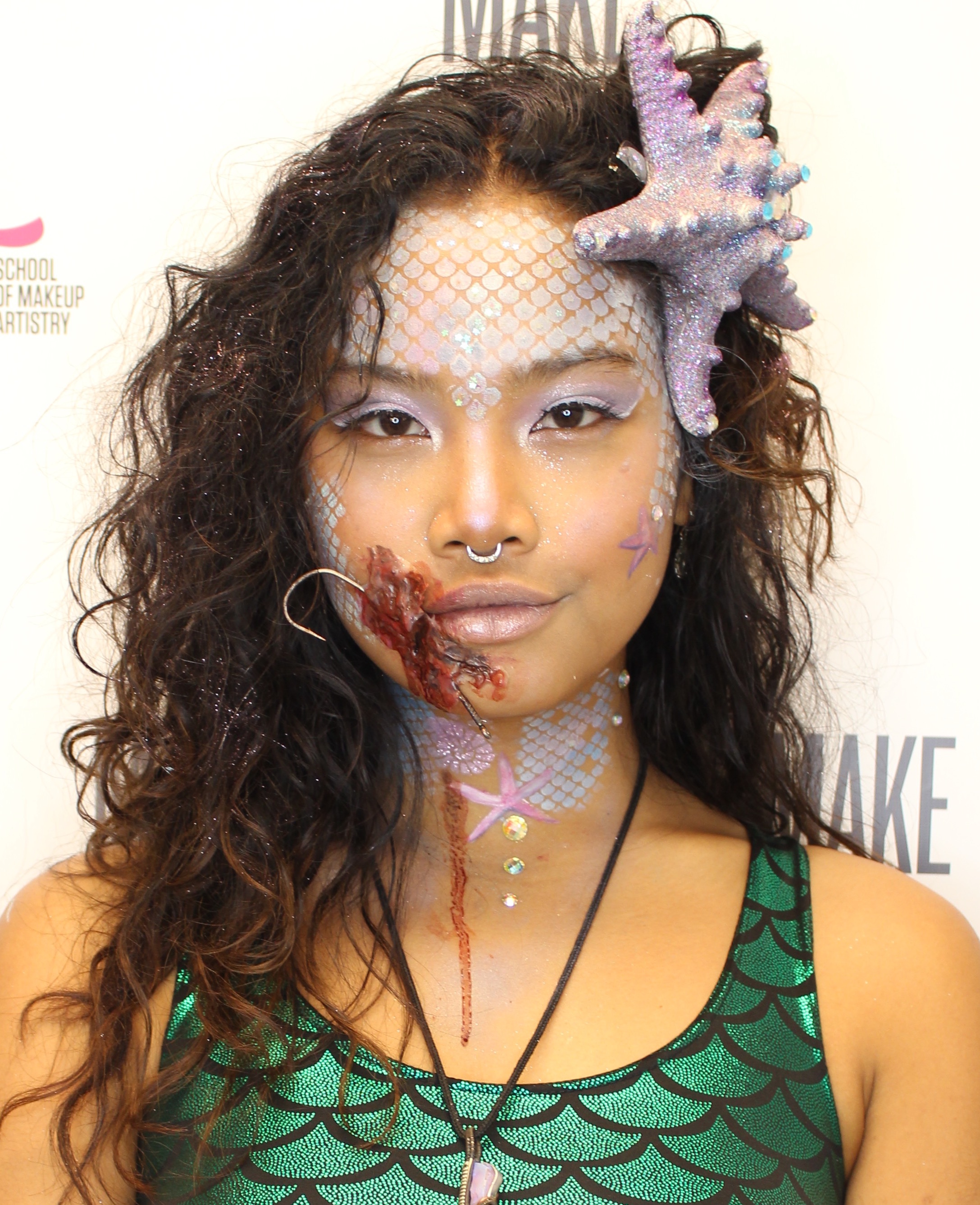
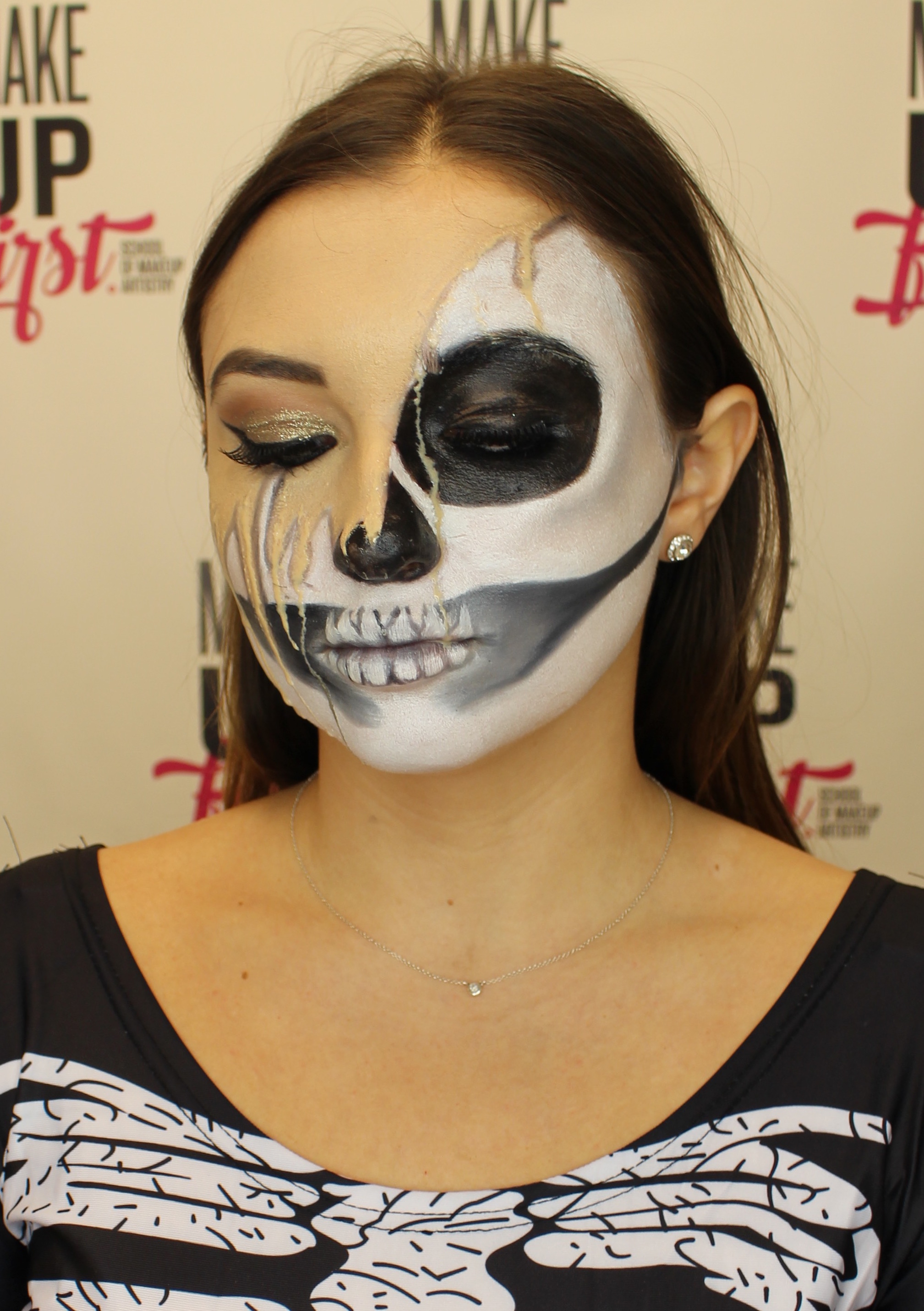
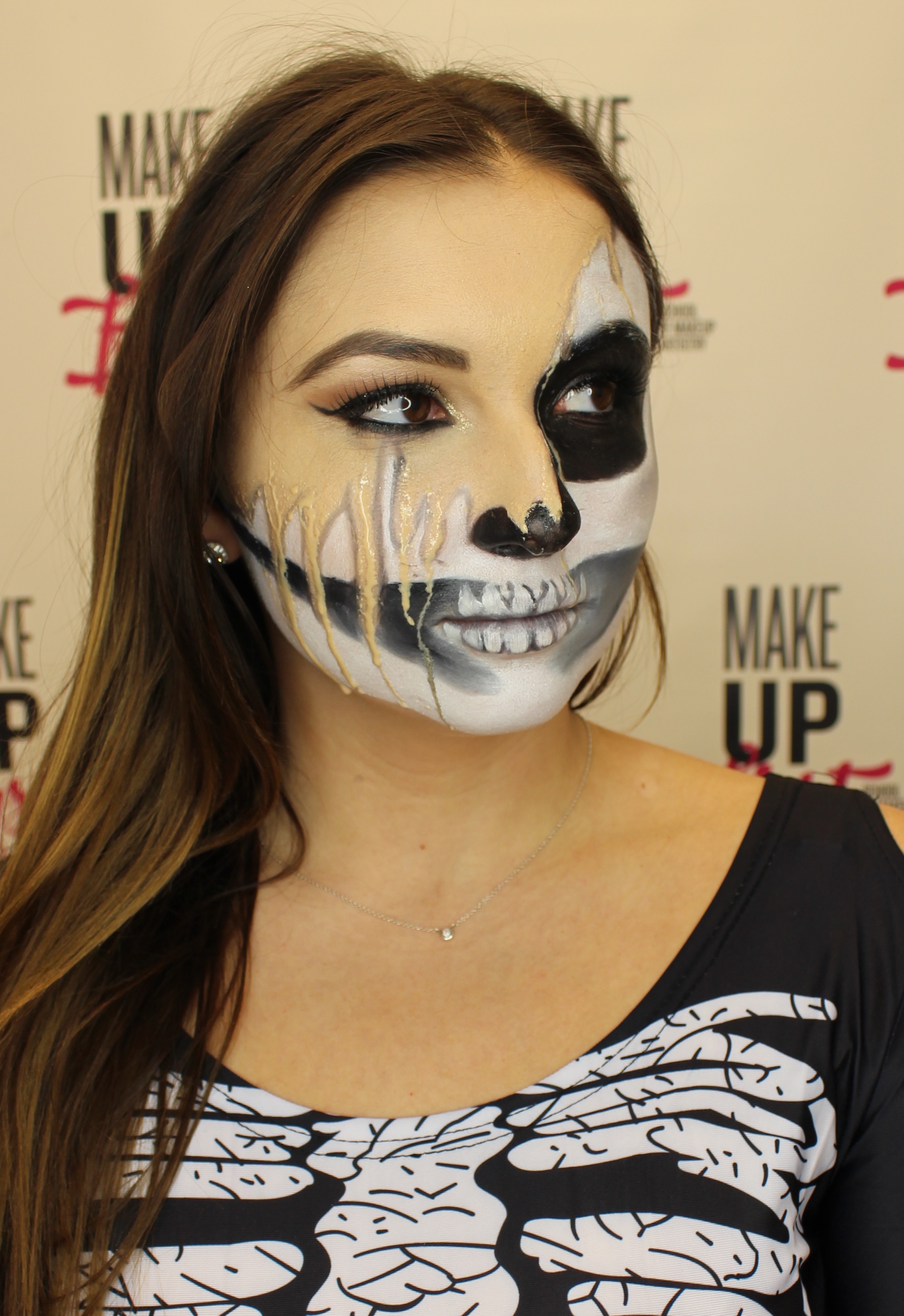
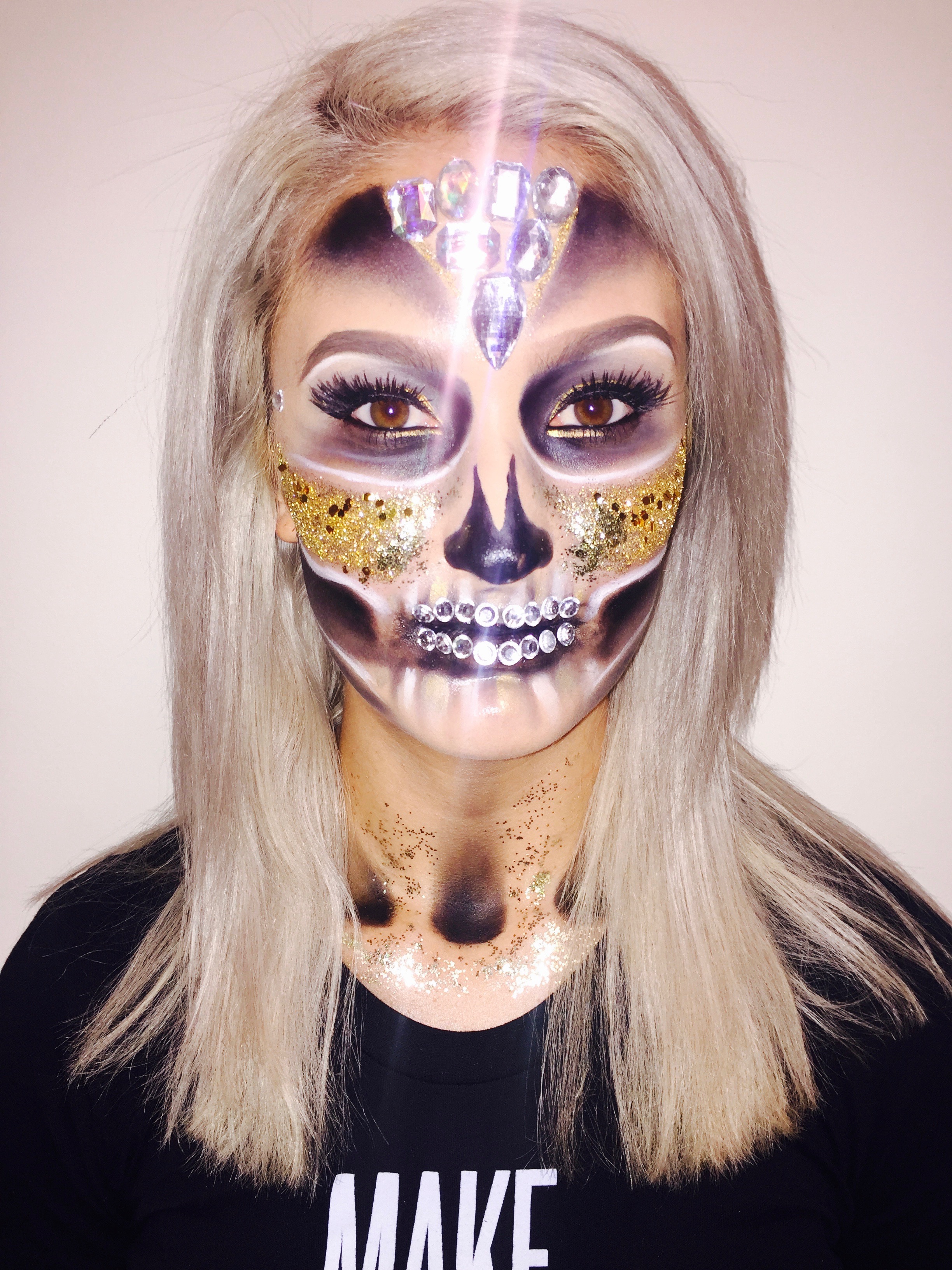
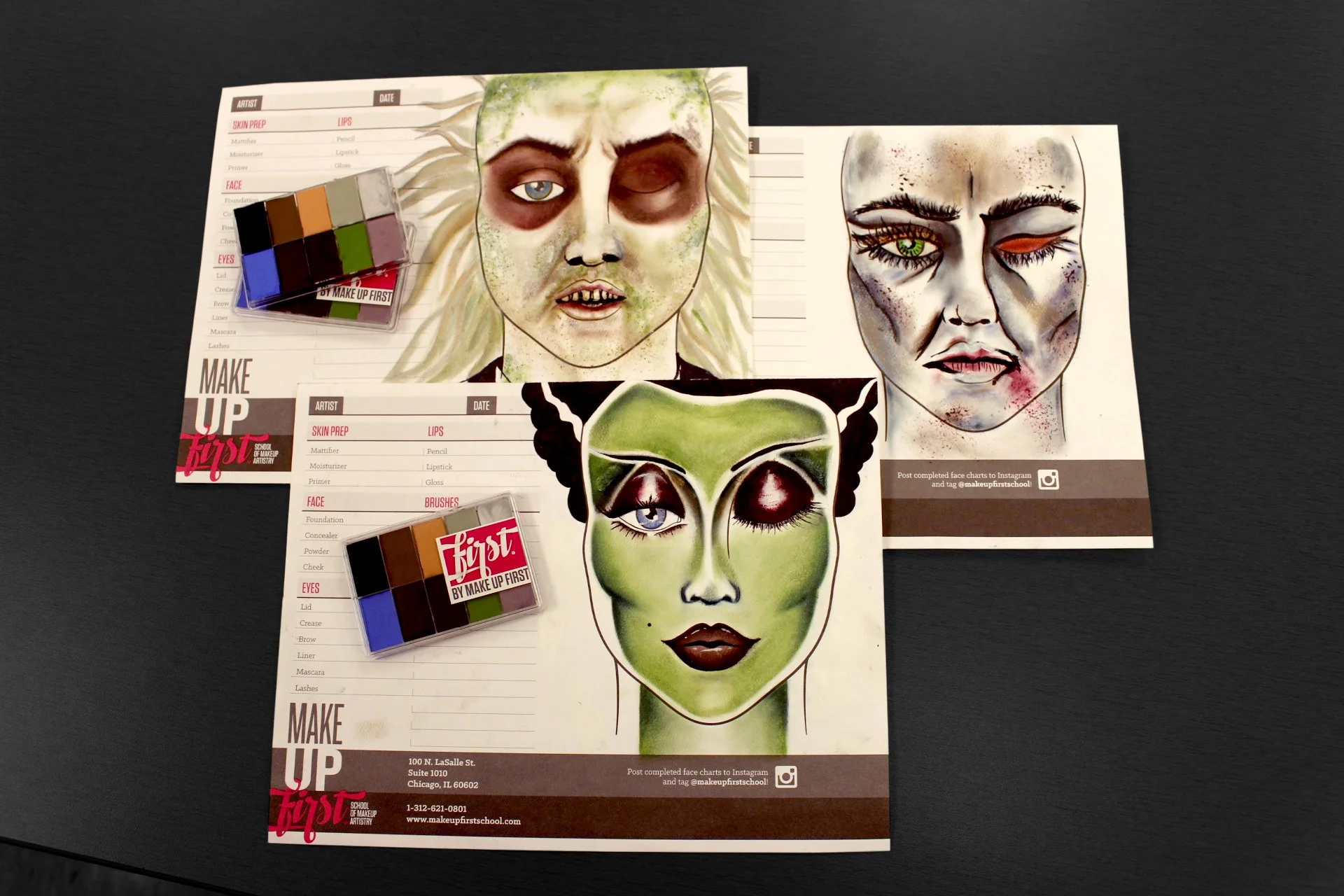
Join Hannah Dorian as she demonstrates how she creates a popular character look! This demo is open to all skill levels, no makeup experience required!